


Quick Steps
For the “Just Tell Me How” Crowd
- Paint going on top? Use caulking.
- Water regularly present? Use silicone.
- Smooth caulking with a damp finger or rag.
- Mist glass cleaner or soapy water before tooling silicone.
Two Sealants, Not Interchangeable
Same aisle, same tube, different jobs
Not everybody knows the difference between caulking and silicone. They’re both sealants, they often live in the same aisle and they look nearly identical in the tube. But they’re not interchangeable, and using the wrong one will cost you time and a redo. Here’s the short version.
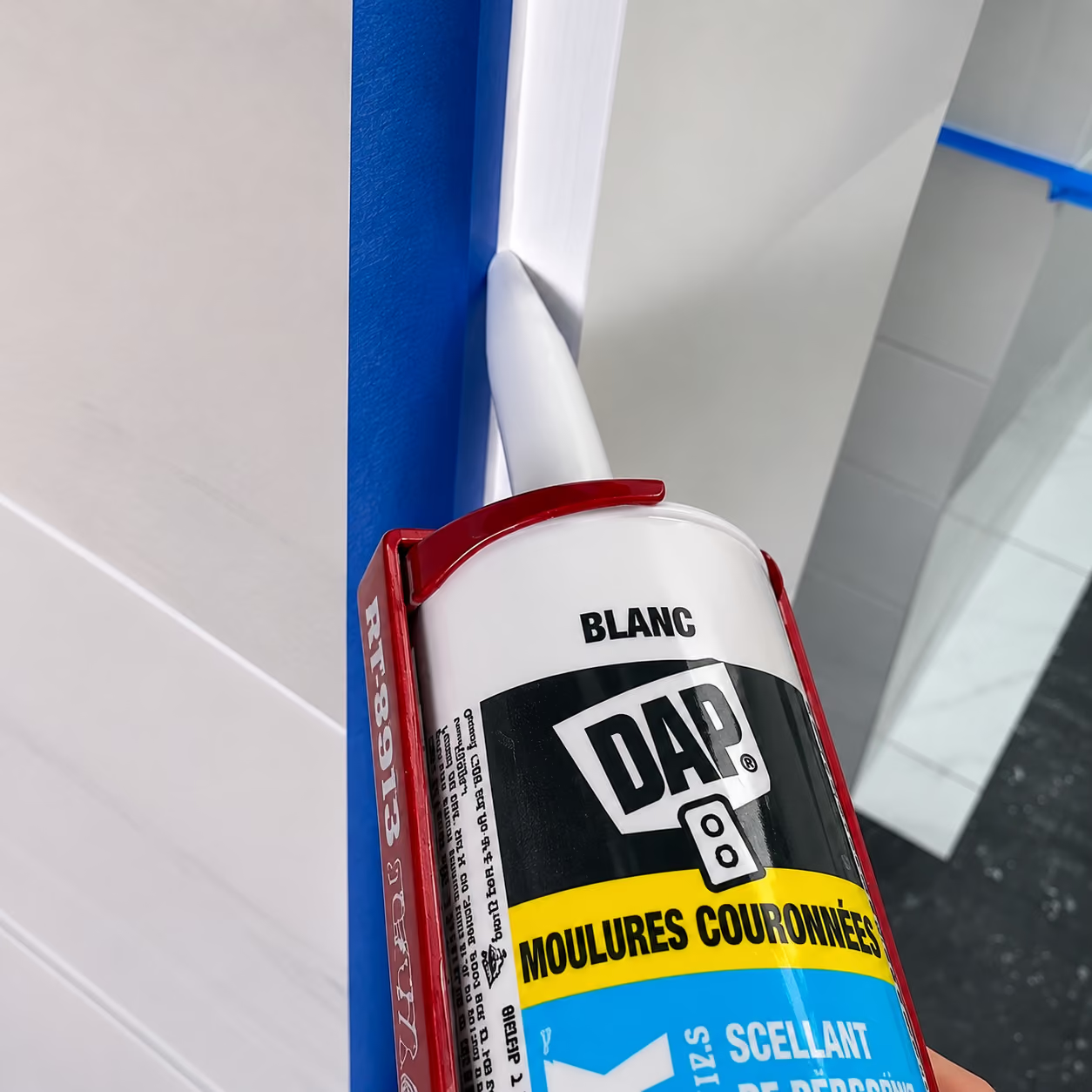
Caulking
Latex or acrylic, and paintable
Caulking is water-soluble, so it’s easy to clean up and easy to smooth with a damp finger or rag. It’s less elastic than silicone, a minor trade-off, but the key advantage is that it’s paintable. Anywhere you need to colour-match the finish, caulking is your product:
- baseboards
- door casings
- window frames
- trim transitions
- where two dissimilar surfaces meet (ex. drywall and brick)
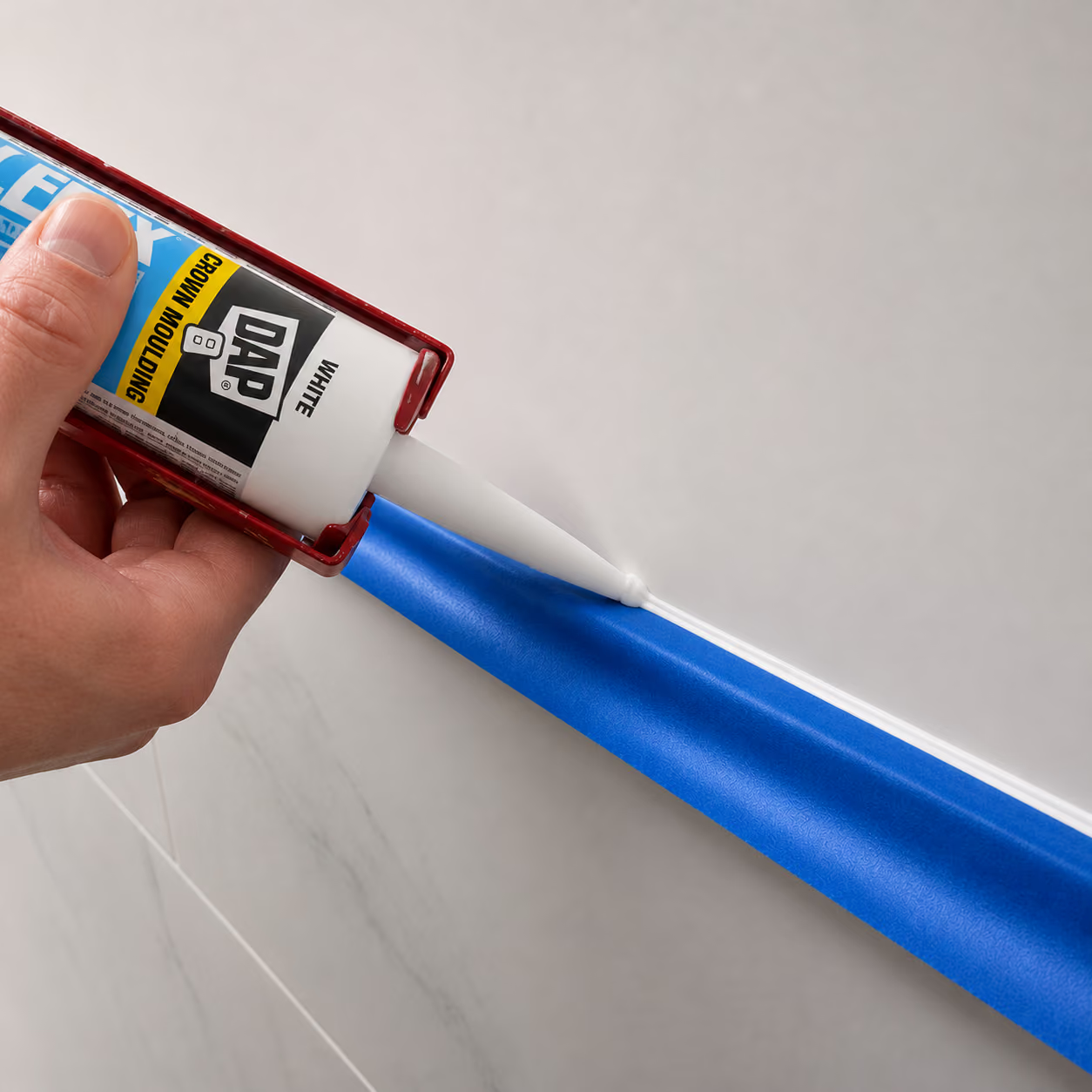
Silicone
More stretch, built for water
Silicone has more stretch, and it usually comes with mold and mildew resistant additives built in. That combination makes it the right call anywhere water is regularly present: showers, tubs, sinks and exterior gaps. In wet areas it outlasts caulking by a wide margin.
The trade-offs: it’s not paintable, and it doesn’t clean up with water.
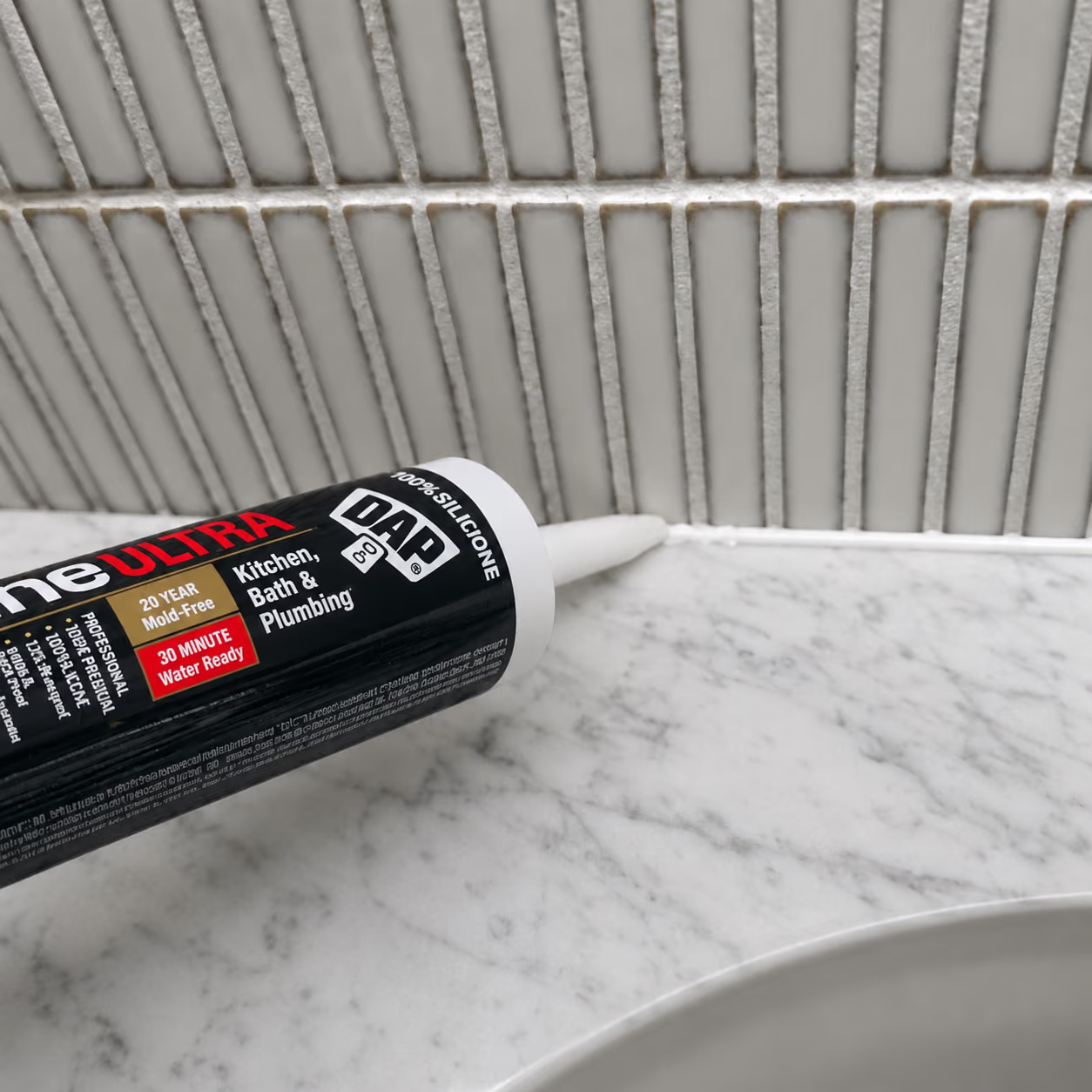
tip
Mist glass cleaner or dish soap around the joint before tooling for a cleaner finish.
The Rule
Memorize this one
Where there’s paint: caulking. Where there’s water: silicone. That’s it. Remember that and you’ll reach for the right tube every time.
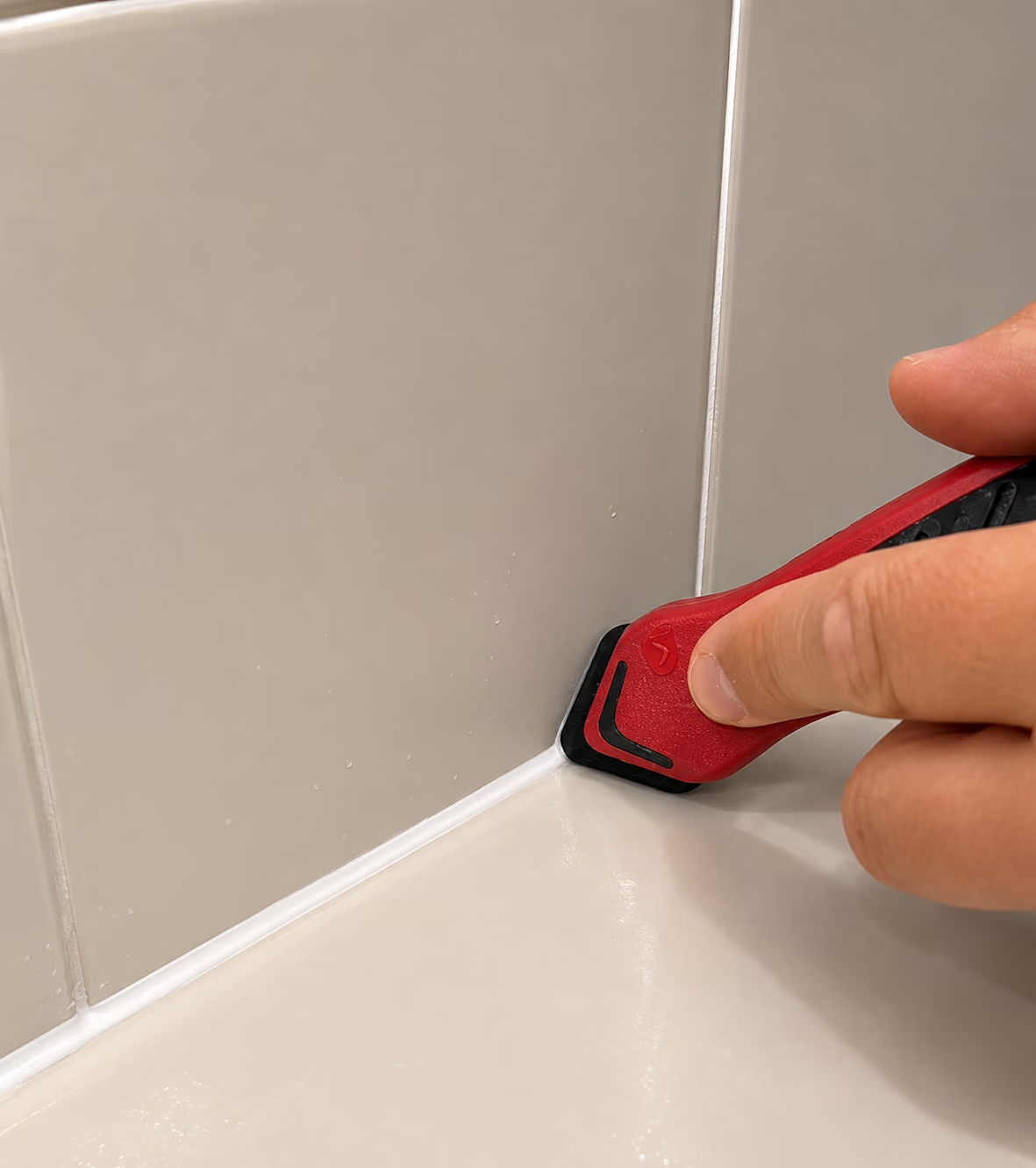
tip
Where there’s paint: caulking. Where there’s water: silicone.